 Evelyn Ryan, Yourlifelifter
This is Part 1 in a two part series on power imbalance in abusive relationships, common misperceptions, causes and effects of power imbalance, and how to correct them.
Part 2 discusses further the differences between aggression, power, and control in abusive relationships and how healing allows us to access and rely comfortably on our own personal power in mutually respectful healthy relationships.
This article discusses misperceptions on the relationship between abusers and their victims and describes the predatory aspects of abuse and the not so obvious causes of power imbalance in abusive relationships.
There is a huge misperception on the relationship between abusers and their victims. That is correct…their victims. You will read often that abuse is the need to control and take power over another. While this may be partly true, this does not accurately or completely describe the predatory aspects of abuse and the not so obvious causes of power imbalance in abusive relationships. Not clearly understanding the differences can hinder healing and keep you vulnerable to emotional predators.
Dynamics of Work and Obligation in Healthy Relationships
 The core to healthy relationship are healthy interactions between compassionate people who have healthy views on work and obligation. Simply put, emotionally healthy people work for what they need to benefit and sustain themselves and those they are in relationships with. We expect to periodically self-sacrifice and put in the extra effort to benefit someone else because we know if we do, we will reap the rewards as well. We also expect sometimes to not work so hard and let others put in the extra effort to care for us when we need it. We know that we are paid for the value of the service we provide to others no matter if they are loved ones, customers, bosses, or even strangers. We also work for what we need because we know and are confident we can do so and enjoy working towards our goals. It brings us joy. It sustains our life. It nourishes our souls. It makes us better people. We know that having “skin in the game” builds character. If we reap benefits that are equal to or exceed the efforts or costs to achieve them, then we are happy, content, fulfilled. Why? Because we have literally proven to ourselves through our own actions and hard work that what we believe is true and benefits us and we are worthy of achieving those benefits. This is how we develop self-reliance, reslience, and self-worth.
Dysfunctional Work and Commitment Dynamics in Abusive Relationships
This balance of give and take and work and obligation that fuels normal character development, relationships, and human existence becomes severely skewed in power imbalanced relationships. Why?
Because abusers simply detest putting out effort that might, even in part, benefit someone else. They can work very hard and can spend inordinate amounts of time and energy working purely to get something they want. As most of us very well know, they can put in extraordinary efforts to groom and love bomb a potential mate or spouse. But putting the same amount of energy into finding or keeping a legitimate job, a personal relationship. taking care of a sick family member, demonstrating the loyalty and consistency necessary to be considered for advancement, or making the investment in personal self-development to merit consideration for more advanced positions are completely different matters and very unattractive enterprises to them. They want all the benefits of marriage, for example, without having to work for them or earn them! Abusers resist working to become better human beings more than any other kind of work. So even when it comes to respect and love and admiration, they want to come by them in the same manner as everything else – without having to earn them.
Abusers benefit from the self-sacrifice and work or their victims whom they exploit for their personal gain. The victims are stuck in “hamster wheel relationships” that go nowhere and get nothing back in return for their extreme investments of pain and energy. Their efforts are unrequited. Chronic exploitation leads to chronic emotional pain and trauma, overtaxing of our pain-based emotional mechanisms. They become depleted and emotionally fatigued, depressed, and traumatized. The extreme and long-term imbalance of power and chronic invalidation are the core to the damage from abusive relationship fueled by legacy wounded thinking and skewed beliefs that originated in abusive childhoods. It is this wounded thinking and these skewed beliefs that also makes us vulnerable to these predators.
Abuser Find Us and Prey on Our Vulnerabilities
Abusers find us. We do not find them. In reality, abusers aggressively and offensively target and prey on the vulnerable ones who will easily give up their power and energy to them. Abusers do this because they loathe working on self-improvement, cannot self-soothe, cannot generate their own power and get great enjoyment and emotional fulfillment from taking it from, where else? Others! As discussed above, they want all the benefits others can provide them without working for them.
The abusers shadow their pain on vulnerable victims and use them and play on their vulnerabilities so they defensively give up their power to them. Abusers learned these predatory practices from the same place their victims learned their maladaptive behaviors – in their own families. People who are emotionally fit do not readily give up their power to others. In short, they would simply not be bothered with abusers because they are confident in their self-truth, are resilient, and rely comfortably on their personal power and on their internal cues to define their worthiness. They reserve their self-power for themselves and others they voluntarily choose to share their power with and who treat them with respect. They monitor and protect their personal rights, authorities and divinity comfortably and confidently. They assertively would tell the abusers to go away or ignore them and the abusers would simply move on to the next victim.
Adult survivors of childhood abuse, on the other hand, suffer from low self-esteem and pain addiction because their pain-based emotions lose their protective functions, go haywire, and become toxic. In effect, when we are abused as adults, our exaggerated pain and trauma and accompanying feelings of unworthiness and defenselessness from our youth are triggered. So our shame is old unhealed legacy toxic shame and the beliefs are false wounded beliefs our childhood abusers shadowed on us that we bring with us into adulthood.
How Do Victims Become Victors and Take Their Power Back
Abusers do not hold some magical hold on us or power over us. We are not the source of our shame that drives our self-loathing. We are, however, vulnerable to abusers who target us due to damage from overuse of our pain-based emotions. It is our toxic pain-based emotions and false beliefs of powerlessness that cause us to give up our power to abusers who trigger our pain. We also believe falsely that we must suffer to be lovable, another skewed belief we were conditioned to believe in childhood.
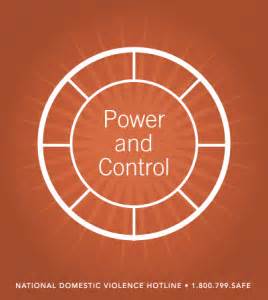 So victims of abuse do not deserve the pain and are not powerless or defenseless to their abusers. We are not the cause of our pain and we are not responsible for it and we are not defenseless to it. We are, however, adults who are thinking like abused wounded children, maladaptive thinking we formulated when our brains and characters were developing and when we were most vulnerable that resulted from abuse and neglect and pain inflicted on us by those we trusted and were dependent on and who were supposed to care for and love us unconditionally. It was not our pain to begin with. This is pain and distorted thinking we shadow on our own children. This is how intergenerational abuse is perpetuated.
 It is time to fix our self-esteem, heal our traumas, and TAKE OUR POWER BACK! It is time to break the cycle of intergenerational abuse. And as we heal, our children will heal through us. I explore these issues in much more depth in Part 2 in this series and in my book, Take Your Power Back: Healing Lessons, Tips, and Tools for Abuse Survivors. You can read a free sneak peek and review of the book and purchase a copy here.

 All humans naturally seek connections to other human beings. This is reflected in our needs to be liked, loved, desired, and valued. Ultimately, we at one time or another would expect to aspire to and, hopefully, achieve all four.
 People with high self-esteem are clear on their lovability and the level of respect and honor they deserve and expect in any relationship, be it personal, family, or work. People with low self-esteem, on the other hand, cannot readily look internally for resilence and validation of their personal worth and typically are pain addicted due to abuse or trauma or possibly even suffering from something worse. They may believe human connectedness relates to pain and suffering including physical and emotional abuse and betrayal and go so far as to sabotage healthy relationships they they feel unworthy of and unloved it.
 The point here, folks, is that in terms of being liked, being loved, being desired, and being valued, IT IS NEVER ABOUT THE OTHER PERSON defining your acceptability and your worth. It is about you developing your own self-esteem, your own truth, gauging it’s worth accurately, upholding and honoring that truth and finding others whose truth aligns with yours and together, connected in trust, journey through life together fueled by the love and belonging that connects you.
 You will take your power back and thrive. I explore these topics in much more depth in my book,
  Have you noticed that the most toxic people have the biggest and the most fragile egos?
 Now they cannot show their true colors to the world. Can they? How would they survive? How would they get others to give up the energy they starve for and need for emotional sustenance, for glue to mend their cracked psyches?
 create the magical illusion of power and grandeur and create their own “Land of Oz?” Why not commit the worst of “sins” in the name of God, America, or Buddha or Muhammed or for whatever reason or lie they can muster to justify what is really pure depravity and evil? Why not worship false idols – their own selves!
 Now, evil lies on a long spectrum, however evil is evil. It is like being pregnant. You are or you aren’t and being a little bit is irrelevant to the greater purpose. So rather than work to become virtuous people of integrity and character and develop grace, tolerance, kindness, and generosity (which they loathe doing, by the way), these depraved people mask their weaknesses and prey on the vulnerabilities of others who truly are people of virtue.
 “Forgiveness is part of healing. It is not a prerequisite to healing. It is a point we reach when we understand and accept the truth about what happened to us from a position of emotional neutrality without the pain, blame and shame that our abusers shadowed on us.”
  One attack, you may think, takes place in the conscious physical world – the other, in the metaphysical, the metacognitive world where we feel and think. However, the pain and shame and anger and fear and trauma we experience from a brutal physical or emotional brutal attack are the same. They inflict the same wounds and frequently open old ones. In addition, there are major differences to how we heal from the wounds. This is why.
 beliefs and convictions. I agree with renowned author and therapist Dr. Alice Miller and others that we do not have to forgive and that forgiving our abusers is a personal choice. We can add a huge amount of emotional burden to an already painful situation by being told if we do not forgive, we punish ourselves twice..blah blah blah. This can leave us conflicted and feeling added guilt and even shame when we really do not want to forgive.
 Healing, folks, has nothing to do with our abusers. Healing is, however, all about the victims. We are left to heal invisible wounds that were caused by our active but unaware participation in a very harming situation. Abuse survivors must work to turn their compassion and care inward and release the pain, trauma, shame, anger and fear that were projected onto them and inflicted on them by the emotional and conscienceless criminals, vampires, and thieves who also stole their identities. We, to heal, must not only release the pain and anger from the attack but also the shame from betrayal and of our unconscious complicity in the crime and our perceived foolery. This is why self-forgiveness and self-compassion are so important in healing. As Emily R., a community member at Yourlifelifter so eloquently stated, “forgiving a conscienceless person has absolutely zero meaning, thus, the real issue is learning to forgive oneself for not trusting oneself over their manipulative ploys of false promises and fake emoting.”
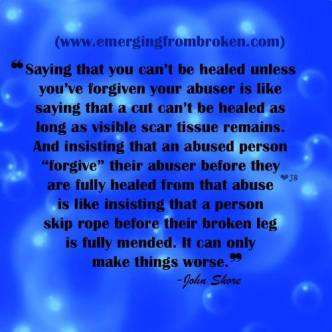 It is a point we reach when we understand and accept the truth about what happened
 Healing is a process of self-discovery, self-analysis into the root causes of why we were victimized, addressing how our beliefs contributed to that, correcting our skewed beliefs, mourning our losses, building our self-worth as well as healing our trauma wounds. I personally believe, it is close to impossible to fully accept what happened to us and forgive ourselves for the part we played unless we first heal and recover from the trauma and then stop our faulty victim thinking. This requires fully understanding why we love people who inflict pain on us and why we are attracted to power imbalanced relationships.
 We cannot expect things from people who are not capable of giving them. I accept that life is not fair and I was born into a herd of narcissists that I had no choice over. But I do have choices now based on my new found personal truth and not others’ lies. I choose a life I know I deserve, a life of peace, harmony, happiness, emotionally healthy love and mutual respect! I also accept that they cannot. I also accept that truly evil people do exist and that I do not possess the divine power, right, and authority to absolve them of their depravity.
 Yourlifelifter